iTunes Podcast Now Available

Join the Green Leaders of the world such as...

This movie requires Flash Player 9

Green Is Good Show

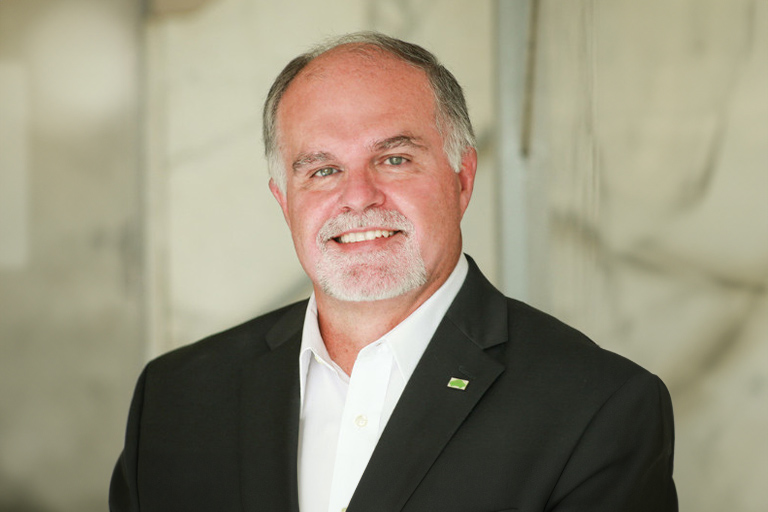
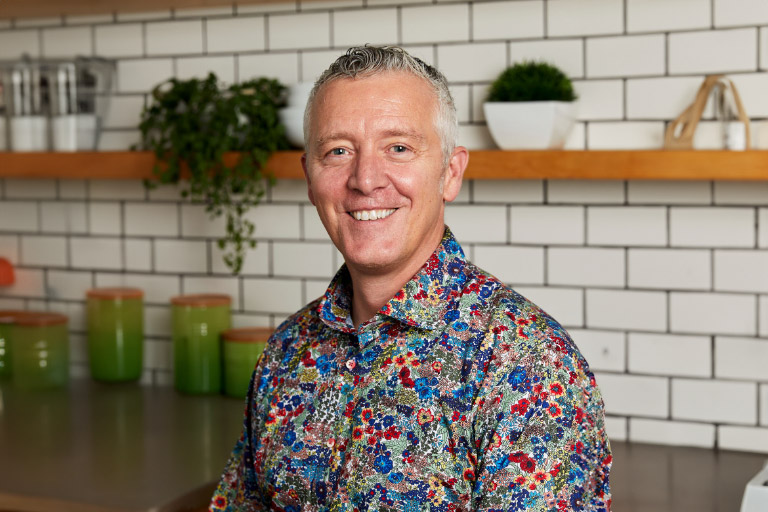
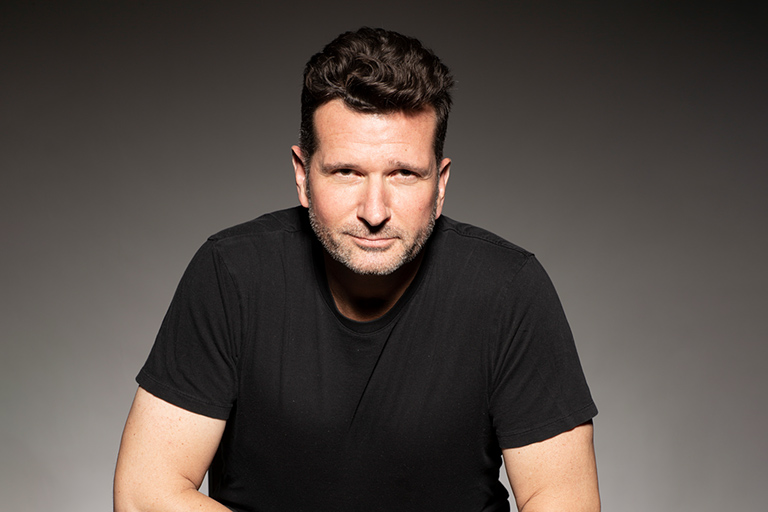
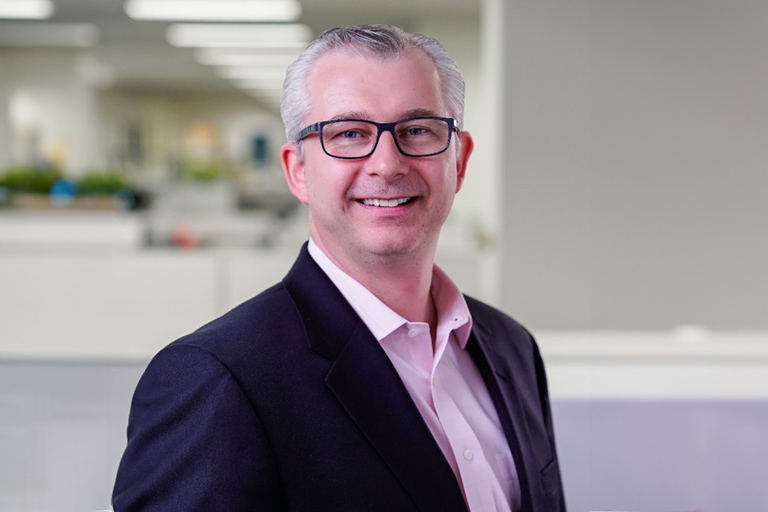
John Shegerian & Mike Brady

Green Is Good Clear Channel’s Advertisment

“Green is Good,” hosted by Electronic Recyclers International’s John Shegerian and Mike Brady, is America’s No. 1 green radio show that features people and organizations that are making a green difference. Join John and Mike as they discuss go-green initiatives, green-collar jobs, sustainability practices, environmental issues, recycling, reuse and more with some of the green world’s most influential people.

Broadcast weekly on Clear Channel Radio Network, “Green is Good” highlights hot topics in the green world, and offers advice, suggestions, information and solutions from green experts. Join the go-green movement today.

Innovative, practical and entertaining… I love what’s been created with our “Green is Good” show… We are fortunate enough to have one of the most knowledgeable and dynamic entrepreneurs in the country in John Shegerian, to deliver this most important message on our Clear Channel stations and world wide web sites. This show delivers the country’s most knowledgeable and cutting edge environmental savvy business owners and professionals that can be heard anywhere… green is good, is great, I’m proud of it.

Jeff Negrete
Clear Channel
Market Manager


When asked if I am pessimistic or optimistic about the future, my answer is always the same: If you look at the science about what is happening on earth and aren’t pessimistic, you don’t understand data. But if you meet the people who are working to restore this earth and the lives of the poor, and you aren’t optimistic, you haven’t got a pulse.

Environmental Pioneer Paul Hawken

Questions? Comments? Like to be a guest on the show? Contact Us Now!


This Week's Show - August 27, 2010

UCLA’s Nurit Katz and Gia Machlin of EcoPlum

Nurit Katz UCLA UCLAs Nurit Katz and Gia Machlin of EcoPlumNurit Katz is University of California – Los Angeles’ very first sustainability coordinator. UCLA has taken a growing interest in sustaining and conserving across its campus, and Katz’s role is to make sure this mega-university continues to grow the green way. Katz helps oversee the Sustainability Committee at the school, spreading green thinking around the campus and beyond.

“UCLA is like a small city in scope,” Katz says. “We must walk the walk by showing that it is possible to reduce greenhouse emissions while saving money in a tough budget climate — showing the ‘nuts and bolts’ of sustainability while educating the leaders of tomorrow.”

Katz notes that the current generation of collegians — both at UCLA and other campuses around the country — is the most green-minded yet, choosing to focus their studies with a green slant, helping to establish green businesses and bring sustainability to the nonprofit sector and green various governmental branches.

Gia Machlin Ecoplum UCLAs Nurit Katz and Gia Machlin of EcoPlumIn 2007, Gia Machlin founded EcoPlum, a green shopping rewards site, after finding that she wanted to do something greener and more rewarding. Machlin, who has worked in a variety of fields, realized she could conserve most in the area of consumerism — the site’s tagline is “Where it pays to buy green,” and it’s a practice she abides by.

Machlin writes a blog on the site called “Confessions of a Reformed Consumer” detailing her transition from waste-producing consumer to educated environmentalist. The site covers everything from organic cooking to green conservation topics — and everything in between — aimed toward converting consumers to a more eco-friendly mindset.

“[EcoPlum] is interested in reaching the consumer where they work and getting them to think about and change their habits,” Machlin explains. “We want to help businesses with their green engagement programs.”

Related Links


Share This Podcast
  • email
  • Print
  • Digg
  • Facebook
  • Twitter

Episode Archives

ECOBAGS’ Sharon Rowe and Green Bride Guide’s Kate Harrison - August 20, 2010

Sharon Rowe Ecobags ECOBAGS Sharon Rowe and Green Bride Guides Kate HarrisonSharon Rowe started ECOBAGS in 1989 as a teenager, well before the green wave rushed forth. The brand has since adopted the mission statement to “produce quality bags at great prices so that reusable becomes a way of life.”

“I saw a need,” Rowe says of starting ECOBAGS. “I was tired of seeing plastic bags stuck in trees and stuck in the river, and decided I wasn’t going to contribute to that waste stream any longer. It was difficult to find a bag that would do the job, so I started making my own. It’s about cleaning up the planet one bag at a time.”

The line began with a “classic string bag,” an expandable cotton/mesh bag. Since then, ECOBAGS has created canvas bags, produce bags, lunch bags, travel bags and more. The product line can be found nationwide in various food co-ops, produce stores, and retail locations as well as online.

Kate Harrison Green Bride Guide ECOBAGS Sharon Rowe and Green Bride Guides Kate HarrisonKate Harrison wrote The Green Bride Guide: How to Create an Earth-Friendly Wedding on Any Budget in 2007 shortly after realizing the difficulty in greening her own wedding.

GreenBrideGuide.com, which followed shortly thereafter, has a simple but noteworthy mission: To help couples use their weddings to promote social and environmental change and support the local green economy.

“The average wedding produces 63 tons of CO2,” Harrison reveals. “With 2.2 million weddings a year, that’s the equivalent of 8 million cars on the road. [Also on average] 400 pounds of garbage per wedding.”

Green Bride Guide walks through engagement rings all the way to the honeymoon offering ways to reduce, reuse and recycle.

Related Links


Share This Podcast
  • email
  • Print
  • Digg
  • Facebook
  • Twitter

Michael Alexander of Conscious Planet Media and Nick Rosen - August 13, 2010

Michael Alexander Conscious Planet Media Michael Alexander of Conscious Planet Media and Nick RosenMichael Alexander has a long history in the holistic and green health fields, and is co-founder of Conscious Planet Media.

“The idea for Conscious Planet Media was conceived on my honeymoon,” Alexander reveals. “On a napkin, [my wife and I] came up with a new media company — a company that would address issues of sustainability, being green, consciousness and social justice.”

Alexander, who co-founded the company with his wife, Bianca, brings his green consciousness to the fold while Bianca, whose background is in the media industry, provides her expertise.

The idea of the “sacred storyteller” — a community member who passes on wisdom and shapes the future — is the gist of Conscious Planet Media’s message. By educating their audience about various green cultural niches via video, print and the Web, Conscious Planet Media is ingraining these important ideals and spreading green knowledge.

Nick Rosen Credit Dafydd Jones Michael Alexander of Conscious Planet Media and Nick RosenNick Rosen, joining the show from London, is one of the world’s premier experts on off-the-grid living. Rosen, a documentary filmmaker, was shooting in New York City in 2003 during the infamous East Coast power outage, and it really opened his eyes to society’s reliance on a constant energy stream.

“I’m not sure if [electrical grid power] didn’t exist these days that we’d need to invent it, because technology has moved on,” Rosen says. “It’s quite possible to generate energy locally now. We don’t even need the grid the way we did 100 years ago… I’m not sure we even needed it then.”

Rosen experimented with wood-burning stoves, rainwater capturing and solar panel electricity and found it a transition of ease. He even felt a sense of green pride, and felt some economic relief as well. Rosen cautions that living off the grid certainly isn’t for everyone, but it is important to know that it is available, even if you choose to work your way up to it.

Related Links


Share This Podcast
  • email
  • Print
  • Digg
  • Facebook
  • Twitter

Chantal Cooke of ‘Passion for the Planet’ and Joe Alexander of Keetsa Mattress - August 6, 2010

Chantal Cooke Passion for the Planet Chantal Cooke of Passion for the Planet and Joe Alexander of Keetsa MattressA green-minded radio host, Chantal Cooke of “Passion for the Planet,” explains her show’s mission statement — providing solutions for a green and healthy lifestyle — while speaking to John and Mike from across the pond in London.

Cooke debuted her radio show in 2002 as a source of useful, inspiring information for her audience. Beyond producing a simple daily or weekly show, “Passion for the Planet” is an entire radio station, broadcasting eco-friendly, stimulating, informative content 24 hours a day to a mainstream audience. As the show’s reach has expanded and the audience has grown, Cooke tells listeners that it is still all about a simple ideal:

“The green movement is about recognizing that we have responsibility, that our actions have an impact, and that impact can be positive or negative,” Cooke reminds us. “Being environmental and having an impact on the planet is a lot more than just recycling.”

Joe Alexander Keetsa Chantal Cooke of Passion for the Planet and Joe Alexander of Keetsa MattressThe second half of the show heads to New York to hear about Keetsa Mattress’ green mattress life cycle from General Manager Joe Alexander. We typically do not think about what goes into a mattress — materials used, manufacturing processes, shipping, its life in your home and its eventual disposal, where it unfortunately usually ends up heading to a landfill. Keetsa is helping to green that overall life cycle, from start to end.

At Keetsa, it starts with eco-friendly foam. Keetsa’s “Eco-Foam” mattresses replace 20% of the foam’s petroleum oil with natural castor bean oil, removing synthetics and toxic off-gassing typically associated with memory foam mattresses. The result is less volatile organic compounds in your home, and no detected formaldehyde.

Alexander is just as proud of the quality of the product as he is the eco-friendly life cycle. Keetsa offers a 20-year, non-prorated warranty on each of its mattresses.

“What we’ve tried to do at Keetsa is put a mattress that is green and healthy for your family and your environment in the price range that the common person can afford,” Alexander says.

Related Links


Share This Podcast
  • email
  • Print
  • Digg
  • Facebook
  • Twitter

Green Nest’s Ron and Lisa Beres and 5 Million Green Jobs’ Jean William - July 30, 2010

Ron and Lisa Beres Green Nests Ron and Lisa Beres and 5 Million Green Jobs Jean WilliamIn recent years, we have seen an increased awareness of how buildings affect your health, and “Green is Good” welcomes Green Nest’s Lisa and Ron Beres to explain this relatively new phenomenon.

Soon after moving to a new home, Lisa’s health spiraled downward, and for the longest time the couple couldn’t figure out why. After more than a dozen doctor visits, they were shocked to find their home was actually degrading Lisa’s well-being. Upon making some specific changes to their home, Lisa’s health is now better than ever before. The couple started GreenNest.com as a resource for healthy remedies for in-home health hazards. They also recently wrote a book, Just Green It!, to help others green their in-home health.

“The first thing [people] should do is increase the air quality of their home,” says Ron. “Indoor air quality is two to five times worse than outdoor air quality.”

Jean William 5 Million Green Jobs Green Nests Ron and Lisa Beres and 5 Million Green Jobs Jean WilliamIn the second half of the show, John and Mike examine the weakened economy with 5 Million Green Jobs’ Jean William. William’s new program aims to spur the economy by creating 5 million jobs in the green sector.

“People are having a very difficult time in this economy,” William admits. “What 5milliongreenjobs.org does is help provide direction and clarity. We’ve created a platform that allows people bring in their expertise to promote green prosperity.”

But what is a green job? 5 Million Green Jobs’ motto, “Inclusion is the solution,” helps explain that we are all involved in creating prosperity and reinvigorating the economy.

“A green job does no harm to the environment,” William explains. “[Green jobs] actually help the environment; these are jobs that help the economy.”

Related Links


Share This Podcast
  • email
  • Print
  • Digg
  • Facebook
  • Twitter

Woolf Farming and Processing and Walmart - July 23, 2010

Stuart Woolf Woolf Farming and Processing and WalmartStuart Woolf, President and CEO of Woolf Farming and Processing, comes to “Green is Good” to discuss his family-owned farming business and its impressive energy reduction processes. Started in 1974, Woolf Farming and Processing has since become one of the most sustainable farming operations in California’s Central Valley.

Woolf’s tomatoes and vegetables — raised and processed in bulk quantities — are used in many products, and the company had been looking to harness the ample sunshine in the Fresno area as energy to help the products’ processing. Woolf was looking to cut future energy costs as the state continues to grow, and upping the company’s green profile feels pretty good, too.

“The EPA suggests that running this solar project will offset about 37,000 tons of pollutants over a 25-year period,” Woolf proclaims. “That is the equivalent of just less than burning 4 million gallons of gasoline or the equivalent of 7,700 acres of pine trees. These are pretty impressive offsets.”

Woolf says the company will continue to investigate how to further use solar power and energy credits to lessen its impact.

Kory Lundberg Walmart Woolf Farming and Processing and WalmartLater in the show, John and Mike speak with Kory Lundberg, Senior Manager and Head of Sustainability Communications at Walmart. The company is the largest retailer in the U.S., and its three-point sustainability outline that it is working toward is a paramount example for others to follow:

Be supplied by 100% renewable energy, create zero waste and sell products that sustain people and resources.

“Walmart is about lowering costs and operating more efficiently,” Lundberg says. The company operates highly efficient stores across the world, but is always looking for ways to use less. “When you have 8,400 locations across 15 countries, it really makes an impact. We can share our learnings in the U.S. with our teams around the world.”

Related Links


Share This Podcast
  • email
  • Print
  • Digg
  • Facebook
  • Twitter

SEO Expert Evan Bailyn and DM Public Relations’ DeAnne Merey - July 16, 2010

Evan Bailyn Headshot New SEO Expert Evan Bailyn and DM Public Relations DeAnne MereyEvan Bailyn, SEO expert, author, entrepreneur and founder of First Page Sage, speaks to “Green is Good” about his unique marketing talents, which he particularly utilizes in helping green businesses reach their full potential.

Bailyn, who claims to have “cracked the Google code,” utilizes search engine optimization, social media and viral marketing within his company to spread the word about his clients’ businesses.

“Years ago, you used to be able to do a little research and understand how SEO works,” Bailyn recalls. “Now, Google believes it should be a natural, democratic process to be at the top of search results. It is through natural linking that I have found such great success.”

DeAnne Merey DM PR SEO Expert Evan Bailyn and DM Public Relations DeAnne MereyIn the second half of the show, John and Mike bring DeAnne Merey of DM Public Relations on the line to talk about her premier public relations services. Merey’s background is in law, but her company’s focus is on environmental communications and marketing.

DM Public Relations’ goal for the companies that it works with is to elevate awareness of important eco issues. Merey’s eco-passion links back to a college course field trip she took to a landfill.

“Our passion to make a difference inspires us to represent businesses and organizations that are dedicated to protecting and preserving the planet and the rights of all its inhabitants,” Merey reveals. “I remember thinking to myself if there was anything I could do in my lifetime to decrease the amount of landfills. Seeing a landfill was very much an education.”

Related Links


Share This Podcast
  • email
  • Print
  • Digg
  • Facebook
  • Twitter

James Ehrlich of ‘Hippy Gourmet’ and ‘Green Morality’ Author Ed Flattau - July 9, 2010

James Ehrlich Hippy Gourmet James Ehrlich of Hippy Gourmet and Green Morality Author Ed FlattauJames Ehrlich, founder, Executive Producer and Director of the Hippy Gourmet series on PBS, talks to “Green is Good” about the rise of organic food in America and how to further spread the knowledge. Ehrlich recognizes that organic farmers and farms are the true faces of the green food movement, and the perception of the word “organic” is changing positively because of this depiction.

“There has been an organic resurgence over the last decade,” Ehrlich says. “People have become more understanding of their health and self-care. In some ways it has helped family farms; we’re hoping that it can create more sustainable, organic practices around the world.”

The show, which has been on TV for 11 seasons, travels all over the world discovering organic, sustainable and healthy foods. The Hippy Gourmet’s Quick and Simple Cookbook for Healthy Eating, a companion cookbook to the series, has also received wild acclaim.

Ed Flattau James Ehrlich of Hippy Gourmet and Green Morality Author Ed FlattauEd Flattau, the nation’s first and longest-running syndicated green newspaper columnist, speaks with John and Mike about his fourth book, Green Morality.

Flattau has been writing his green column since 1972, and has logged literally thousands of entries over the years. Professionally, the evolution of green has changed quite a bit.

“[The green movement] was not as widespread when we started,” Flattau admits. Yet the 1970s were the perfect time to launch an environmental column. “The decade of the ’70s is when Congress enacted the major environmental statutes that today are the bedrock of this country.”

Green Morality‘s theme is simple: Everyone has a moral obligation to leave the world in as good or better shape than when they found it. Flattau, with nearly 40 years of experience in the matter, is the perfect journalist to take on the moralistic vision.

Related Links


Share This Podcast
  • email
  • Print
  • Digg
  • Facebook
  • Twitter

Alcoa’s Gregory Wittbecker and ‘Farmer Jane’ Author Temra Costa - July 2, 2010

Gregory Wittbecker Alcoa 150x150 Alcoas Gregory Wittbecker and Farmer Jane Author Temra CostaGregory Wittbecker of Alcoa rejoins “Green is Good” to talk about recycling aluminum. There is a 95% energy savings when recycling aluminum, as opposed to making new products. The amount of electricity saved when recycling 1 ton of aluminum — in any form — is equal to the energy needed to power the average American home for 15 months. Clearly, recycling aluminum is of the utmost importance! Now, Alcoa is partnering with a number of other companies on recycling projects that will expand recycling awareness across the U.S.

“There have been enormous strides in terms of energy efficiency of manufacturing aluminum, its recyclability and the amount of greenhouse gases saved by using these new, energy-efficient materials,” Wittbecker says. “The amount of greenhouse gases we generate today manufacturing aluminum cans is 44% less than 17 years ago, and the typical aluminum can is 15% lighter than it was.”

Temra Costra Farmer Jane Alcoas Gregory Wittbecker and Farmer Jane Author Temra CostaIn the second half of the show, “The Queen of Green,” Temra Costa, speaks to John and Mike about her inspiration in getting involved in sustainable food. Costa, who moved to California from the Midwest in 2003, was completely floored by the green food movement on the West Coast. Now Costa has penned a book, Farmer Jane, about 30 women in the sustainable food world.

“Learning about seasonality is an important first step,” Costa says of changing eat habits. “When you’re shopping in supermarkets, organic is a big piece of the picture. People don’t want to pay much money for food because it has been cheaply available for so long. Can you shift some of your resources to your food? We have to reincorporate the time in finding good food, because processed foods are not good for our health.”

Related Links


Share This Podcast
  • email
  • Print
  • Digg
  • Facebook
  • Twitter

Verizon’s James Gowen and TerraCycle’s Tom Szaky - June 25, 2010

James Gowen Verizon Verizons James Gowen and TerraCycles Tom SzakyJames Gowen, Chief Sustainability Officer of Verizon, joins “Green is Good” to discuss the iconic phone service provider’s sustainability initiatives. One particular advancement the company has launched is its green set-top box, which provides a 30% energy-efficiency increase with a vastly expansive entertainment experience. The box even comes in 100% recyclable (made of 75% post-consumer waste) packaging.

Gowen also mentions the importance of making Verizon customers and employees aware that their actions do matter. The company recently started no-cost e-waste recycling events for its employees, and the success has been unbelievable, expanding to six different areas around the country in its first six months. Verizon has collected more than 1 million old phones for recycling in the last year.

“We have kept over 40,000 pounds of material out of landfills, and we’ve opened it up to communities,” Gowen says. “A big part of Verizon is the communities we work in.” Gowen says Verizon will expand the recycling events to six more locations this year.

Tom Szaky TerraCycle Verizons James Gowen and TerraCycles Tom SzakyIn the second half of the show, Tom Szaky, founder of TerraCycle, joins John and Mike to talk about how his company is solving the problem of non-recyclable waste. In America alone, TerraCycle has 10.1 million people collecting waste — about 3 million pounds a day! — to convert into consumer products.

TerraCycle converts everything from organic waste to plastic juice pouches into like-new products, in turn creating a whole reuse market that previously did not exist.

“About 80% of the products we buy are not recyclable, and those are the ones we focus on creating solutions for,” Szaky says. He notes that TerraCycle has about 70,000 collection points — growing by about 500 a day — in countries around the world.

Related Links


Share This Podcast
  • email
  • Print
  • Digg
  • Facebook
  • Twitter

Eco Tuesday’s Nikki Pava and NRDC’s Jonathan Kaplan - June 18, 2010

Nikki Pava EcoTuesday Eco Tuesdays Nikki Pava and NRDCs Jonathan KaplanEco Tuesday founder Nikki Pava talks to John and Mike about her eco-inspired event, which gathers one Tuesday each month in cities around the country to promote green living ideals. More than just a social hour, Eco Tuesday provides an educational component that teaches participants how to live greener, more efficient lives.

Founded in 2006 in San Francisco, the initial Eco Tuesday event attracted about 60 participants. Now groups of up to 200+ show up every month to network and learn. Currently, Eco Tuesday is on the fourth Tuesday of every month in 10 cities across the U.S., in cities from Los Angeles to Detroit.

“I saw that there was a need for a forum where professionals can come together to talk about green issues,” Pava reveals. “They can learn from one another, collaborate and find great solutions to issues that are absolutely pressing.”

Jonathan Kaplan NRDC Eco Tuesdays Nikki Pava and NRDCs Jonathan KaplanThe NRDC’s Jonathan Kaplan speaks on the second half of the show about pesticides and organic food. Agriculture has a major impact on our lives — more than one-third of human-caused greenhouse gases come from the production of agriculture. At the same time, a few thousand acres of farmland are permanently lost in the U.S. daily due to a growing number of factors.

One innovation that the NRDC has created is the Growing Green Awards, raising awareness of those agricultural producers taking the necessary sustainability measures to be successful for years to come. The four award categories — food producer, business leader, thought leader and water steward — present a well-rounded group of agricultural advocates that are moving the industry forward.

Kaplan cites water scarcity, lack of stability and ongoing population growth as serious problems affecting food production — now one in three people around the world live in a region with water scarcity. With the agriculture industry consuming so much water, awareness of proper agricultural practices is more important than ever.

Related Links


Share This Podcast
  • email
  • Print
  • Digg
  • Facebook
  • Twitter

Jeff Rassás of You Change and Pamela Gordon of Technology Forecasters - June 11, 2010

Jeff Rassás You Change 150x150 Jeff Rassás of You Change and Pamela Gordon of Technology Forecasters“Green is Good” welcomes longtime greenie Jeff Rassás, founder and CEO of YouChange.com. You Change’s goal is to refurbish those obsolete materials, particularly electronics, in homes across the world by providing cash incentive and a rewards system to its users.

The rewards program, used on the You Change site as currency, encourages people to purchase these rehabbed items that are traded in on the site. The market for You Change is there — more than 75% of PCs are sitting in homes collecting dust, and more than 500 million obsolete cell phones sit in drawers, never to be used again.

Rassás says the You Change program will accept any and all electronic items — even those with no monetary value — and reward the seller with rewards points. You Change’s mission is to recover as many items as it can, saving valuable landfill space.

Pamela J Gordon Technology Forecasters Jeff Rassás of You Change and Pamela Gordon of Technology ForecastersLater in the show, John and Mike speak with Pamela J. Gordon, founder of Technology Forecasters, Inc., CEO of TFI Environment and author of Lean and Green: Profit for Your Workplace and the Environment.

Technology Forecasters deals with high-tech companies around the world, and helps them make smart decisions about where to manufacture their products and how to reduce their overall environmental impact.

“Change is scary [to a company],” Gordon admits. “We form a team with the client, and together we create ways to change and reduce that waste that works within that corporate culture.”

Related Links


Share This Podcast
  • email
  • Print
  • Digg
  • Facebook
  • Twitter

Roto-Rooter’s Paul Abrams and The Ionic Bulb’s Annette Hunter - June 4, 2010

Paul Abrams Roto Rooter Roto Rooters Paul Abrams and The Ionic Bulbs Annette HunterPaul Abrams of Roto-Rooter joins John and Mike on “Green is Good” to discuss his company’s newly tweaked green program and eco-mission. Roto-Rooter is the largest plumbing repair and drain cleaning service in the U.S. and Canada — working about 1.5 million plumbing jobs per year.

Roto-Rooter is looking to influence its customers by offering an innovative green program for them to choose. Several of the company’s default parts are now helping to conserve water usage and energy, instantly making the company greener than ever before.

The company’s dual-flush toilet retrofit, in particular, is an easy, innovative way to recoup a green investment quickly. During a simple home inspection, Roto-Rooter can retrofit quickly and cost effectively.

“We can safely say that the days of cheap water and sewer are behind us,” Abrams says. “Whatever the cost is [to install a toilet retrofit], you’ll make it back in a year.”

Annette Hunter Ionic Bulbs 150x150 Roto Rooters Paul Abrams and The Ionic Bulbs Annette HunterIn the second half of the show, Annette Hunter of The Ionic Bulb, an “eco-preneur,” talks about an innovation in lighting. The ionic bulb solves two problems at once: it’s a powerful air purifier, and it’s an energy-saving CFL light bulb — it’s that simple.

“You have those huge, bulky air purifiers that cost $200, $300; sometimes more than that,” Hunter says. “They make a lot of noise and they don’t work that well. Microchips are now able to filter the air. We put that microchip on a light bulb.”

How does it work? The chip, which emits negative ions into the air that attach themselves to pollutants, eliminates air impurities — dust, pollen, odors, dander, allergens and smoke — nearly instantly in a 100-foot radius. Currently, the bulbs retail for about $5 each, available now online and in CVS and Walmart retail stores later this year.

Related Links


Share This Podcast
  • email
  • Print
  • Digg
  • Facebook
  • Twitter

NBA’s Kathy Behrens & Michael Behar - May 28, 2010

Kathleen Behrens NBA NBAs Kathy Behrens & Michael Behar“Green is Good” chats with Kathy Behrens, Executive Vice President of Social Responsibility and Player Programs of the National Basketball Association. The league has partnered with the NRDC to create better fan awareness and help lessen its environmental impact.

“We’re not shy about the fact that we consume a lot — we have a big carbon footprint,” Behrens admits. “We want to do everything we can to lessen the impact that our operations have on the environment.”

NBA Cares, a philanthropic program that gives back to the communities where the league is established, was launched in 2005. The program has created more than 465 facilities, houses and community centers in just five short years.

NBA Green is a newer initiative that aims to share information on how to live greener, both on and off the court. NBA Green brings players, executives and fans together with the goal of greening the NBA’s cities and facilities.

Michael Behar NDRC 150x150 NBAs Kathy Behrens & Michael BeharIn the second half of the show, green writer Michael Behar joins Mike and John to discuss a storyline investigation he recently did on renewable energy in “Red America,” Kern County, CA, for the NRDC’s OnEarth magazine.

“What Kern did was memorize the California Environmental Quality Act,” Behar says. “They’re really good at navigating it, and when a developer comes in, they guide them through the process. [Dealing with counties] is never smooth, but they’ve turned the tables around.”

Kern County, near Bakersfield, prides itself on its understanding of renewable energies — solar and wind power in particular — and guides developers toward successful growth and development in the area.

Related Links


Share This Podcast
  • email
  • Print
  • Digg
  • Facebook
  • Twitter

Green Nurture’s Derrick Mains and Hewlett Packard’s Michelle Price - May 21, 2010

Derrick Mains Green Nurture 150x150 Green Nurtures Derrick Mains and Hewlett Packards Michelle PriceDerrick Mains, CEO and founder of Green Nurture, joins “Green is Good” to talk about sustainability and how it encompasses his day-to-day life. The basis of Green Nurture is quite simply to help companies’ employees learn and live sustainability-fueled lives.

Green Nurture, which acts as a “sustainability consultant” to companies of 10 more employees, empowers workers to find ways their company can become more green and save more money. The program is set up like a social networking application, and provides incentives through RecycleBank for employee use beyond simply greening their operation.

Mains cites cost savings; brand recognition as a green, desirable brand; and increased productivity and profitability as reasons companies are looking at Green Nurture as the platform to take them to a higher green plateau.

Michelle Price HP Green Nurtures Derrick Mains and Hewlett Packards Michelle PriceLater in the show, Michelle Price, Hewlett-Packard’s Manager of Worldwide Environmental Strategic Marketing, Imaging and Printing Group, discusses the company’s longstanding green practices and how it is staying on the cutting edge of the green technology movement.

Price says H-P has focused on the environment and sustainability for more than 50 years. H-P was one of the first technology companies to instill a recycling program way back in 1987, and today has recycling capabilities in more than 50 countries around the world.

Price, who is currently writing a book called “The 42 Rules of Green Marketing,” points out the environmental standard program the company implemented in 1991 to help advance energy-efficient technologies at the company.

“We know consumers want to hear our environmentally responsible stories,” Price says. “Consumers want to make the right choice, but you have to make it simple for them. [H-P tries] to make it really easy for customers to go green. Price and quality and performance are the number one purchase drivers [for consumers]. Environment is still behind those, but it is a tie-breaker.”

Related Links


Share This Podcast
  • email
  • Print
  • Digg
  • Facebook
  • Twitter

Simple Steps’ Wendy Gordon & Recycling Today’s Jim Keefe - May 14, 2010

Wendy Gordon Simple Steps 150x150 Simple Steps Wendy Gordon & Recycling Todays Jim KeefeWendy Gordon, editor of SimpleSteps.org and an executive at the NRDC, comes to “Green is Good” to discuss food waste. Surprisingly, the average family of four throws out 122 pounds of edible food per month — that’s 13% of our solid waste, or 30 million tons per year!

The food chain encompasses everyone — from farmers, to markets, to consumers, to restaurants and everywhere in between. We are all guilty of wasting. The ripple effect of all of the resources used to make these foods goes to waste as well — water, fossil fuels and energy chief among them.

“There is a lot we can do to cut down our waste,” Gordon says. “Get back in the kitchen, plan your meals for a week out and start from scratch — start with fresh, organic ingredients.”

Jim Keefe 150x150 Simple Steps Wendy Gordon & Recycling Todays Jim KeefeOn the second half of the show, John and Mike chat with Jim Keefe, Publisher of Recycling Today magazine. Keefe says recycling is so easy that everyone can do it — the most important thing to keep in mind is remembering that recycling makes future consumer goods, saving the consumer money without compromising quality.

“If you want to purchase recycled products, think about what you’re putting into the recycling stream, so the cost to reclaim and reprocess that material can stay on a par with virgin materials,” Keefe says.

Recycling Today has been around for decades, main reason being that the publication continues to evolve with the improvements in recycling practices.

Related Links


Share This Podcast
  • email
  • Print
  • Digg
  • Facebook
  • Twitter

GenGreenLife.com’s Charisse McAuliffe and Green America Today’s Denise Hamler - May 7, 2010

Charisse McAuliffe 140x150 GenGreenLife.coms Charisse McAuliffe and Green America Todays Denise HamlerCharisse McAuliffe, founder and CEO of GenGreenLife.com, returns to “Green is Good” as the show’s first-ever repeat guest.

GenGreenLife.com’s tagline is “Find the green in everything… locally,” and the site has become the go-to spot to find localized green-living solutions. The site features the largest green directory in the United States, making it easier than ever to find green solutions close by.

“[People ask] how can I get my hands on this?” McAuliffe says, referring to green-living solutions. “[GenGreenLife.com] is all about making it easy, and making it something that people can trust.”

McAuliffe points out that choosing green is important, but so is purchasing locally. That’s where GenGreenLife.com really shines. Check out their iPhone app, FindGreen, to spot green businesses near you.

Denise Hamler GenGreenLife.coms Charisse McAuliffe and Green America Todays Denise HamlerOn the second half of the show, Denise Hamler of Green America Today talks to John and Mike about greening America, city by city.

“There are so many ways for us to use the power of our dollar to really make change,” Hamler says. “The whole idea of Green America is to give people those economic strategies and tools by which we can all have a world that we’re proud of and will be here for many generations.”

Green America Today is really about greening our local communities, creating green-minded jobs and making environmental integrity of the utmost importance to everyone.

Green America Today started a green economy challenge calling on all Americans to shift 10% of their current spending to green purchases. Those expenditures could amount to $300 billion toward sustainability and green-minded businesses.

Related Links


Share This Podcast
  • email
  • Print
  • Digg
  • Facebook
  • Twitter

FASE founder Marci Zaroff and Timberland’s Betsy Blaisdell - April 30, 2010

Marci Zaroff 150x150 FASE founder Marci Zaroff and Timberlands Betsy Blaisdell“Green is Good” welcomes Marci Zaroff, founder and CEO of FASE (Fashion Art Soul and Earth), a green fashion company based out of Florida.

“I’ve always been a fashion consumer,” Zaroff reveals. After a decade of working in the organic health and beauty field, she discovered the missing link.

“It dawned on me that you can’t support food without supporting fiber,” Zaroff says. “The premise of organic agriculture is the interconnection in nature. When I married that with my passion for fashion, I saw a market opportunity.”

Zaroff, who founded another organic clothing line, Under the Canopy, in the 1990s, wants to change the market from “hippy to hip,” making organic fashion that people want to wear and will buy.

“It’s not about ‘Why would I buy organic?’” Zaroff says. “It’s ‘Why wouldn’t I buy organic?’”

Betsy Blaisdell 150x150 FASE founder Marci Zaroff and Timberlands Betsy BlaisdellIn the second half of the show, John and Mike talk with Betsy Blaisdell, Senior Manager of Environmental Stewardship at Timberland.

Timberland, which operates in more than 20 countries all over the world, has long engaged in improving environmental standards in its operations and manufacturing.

“[Timberland] has this great outdoor culture, because we’re in the outdoor industry,” Blaisdell says of Timberland’s naturally green sensibility. “We recreate outdoors, we design products for consumers who love the outdoors.”

The company has a corporate-social responsibility ambassadorship program that focuses on environmental and community service initiatives, is pursuing LEED certification in its stores and is designing labeling information on materials used in its products.

Related Links


Share This Podcast
  • email
  • Print
  • Digg
  • Facebook
  • Twitter

‘Starting Up Green’ Author Glenn Croston and Molson Coors’ Barton Alexander - April 23, 2010

2008 19 0007 GlennCroston 72dpi MCTPhoto e1272048785621 Starting Up Green Author Glenn Croston and Molson Coors Barton Alexander“Green is Good” welcomes Glenn Croston, author of 75 Green Businesses and Starting Up Green. Croston, whose interest in green businesses started simply with hopes of creating a better world for his children and future generations, is here to say that it is not very hard to start up a green business.

Croston looks forward to a time when there are no green businesses at all, because all businesses will be green.

“A lot of people think that going green is an expensive and hard thing to do, but it doesn’t have to be that way at all,” Croston reveals. “A lot of these things save money, and they’re good for you and for your kids down the road.”

Alexander formal 108x150 Starting Up Green Author Glenn Croston and Molson Coors Barton AlexanderIn the second half of the show, John and Mike welcome Barton Alexander from Molson Coors. Alexander, Global Vice President of Alcohol Policy and Corporate Responsibility for the company, proudly states that Molson Coors has long had the makings of a green pioneer.

The basis of Coors and Molson products is the astoundingly pure water. Molson Coors signed the CEO Water Mandate a few years back, proclaiming a commitment to sustainable water, further solidifying its undying quest to be green while maintaining a reputation for excellent products.

“We have energy reduction targets across [Molson Coors],” Alexander says. “We think a really key part of all of these environmental areas is disclosure. What we’re doing is transparent, not only to environmental groups, but to investors and consumers around the world.”

Related Links


Share This Podcast
  • email
  • Print
  • Digg
  • Facebook
  • Twitter

International Electronics Recycling Conference and Expo’s Ismail Oyekan and Environmental Graffiti’s Chris Ingham Brooke - April 16, 2010

IsmailOyekan 150x150 International Electronics Recycling Conference and Expos Ismail Oyekan and Environmental Graffitis Chris Ingham BrookeIsmail Oyekan, who has a long history in the electronic waste industry, founded the International Electronics Recycling Conference and Expo after realizing there was no ceiling to the industry’s potential. The conference and expo brings people together from all over the world to see the importance of recycling and reuse.

“I realized there weren’t too many outlets where people could learn about [the e-waste] industry and the dynamics of it,” Oyekan says. “The reality is that it’s an emerging industry, so I wanted to create a platform for the industry to come together to brainstorm and speak about trends going on in the industry.”

This year’s conference and expo, the second annual event, will take place May 26-27 at the Hyatt Regency San Francisco Airport Hotel in the Bay Area. Oyekan made the decision to move the event from Los Angeles to the Bay Area to capitalize on the great technological minds in the Silicon Valley area.

chrisbrooke 150x150 International Electronics Recycling Conference and Expos Ismail Oyekan and Environmental Graffitis Chris Ingham BrookeIn the second half of the show, John and Mike welcome Chris Ingham Brooke, CEO and founder of EnvironmentalGraffiti.com. Brooke, who is just 22 years old, came up with the concept in 2006 upon realizing that the green space was sorely lacking in social networking and blogging outlets.

Environmental Graffiti enables any user to visit the site, contribute content and and share with other users. By its second month online, the site had 250,000 visitors. It is now averaging well over 2 million visitors.

“If ever you have woken up and thought of writing something for millions of people to see it, Environmental Graffiti is the place to be,” Brooke says. “We’re focused on stuff that spreads the message about nature and the environment.”

Related Links


Share This Podcast
  • email
  • Print
  • Digg
  • Facebook
  • Twitter

Trek Bikes’ Eric Bjorling and Alcoa’s Gregory Wittbecker - April 9, 2010

Eric Bjorling Trek 150x150 Trek Bikes Eric Bjorling and Alcoas Gregory WittbeckerEric Bjorling of Trek Bikes tells John and Mike about his company’s commitment to changing the world. Trek has long been known as one of the premier bike manufacturers in the U.S., but its recent focus on eco-friendly and utilitarian biking has brought a whole new level of attention to the brand.

“Cycling is a simple solution already sitting in people’s garages,” Bjorling says. “Lobby and ask for bicycle programs. Bicycle programs get swept under the rug because no one asks for them. [Trek has] gotten a ton of attention just by standing up and saying, ‘Remember bicyclists.’”

Trek’s Eco design, a line of green-minded bikes, explores the whole life cycle of the bike — manufacturing, years of riding and eventual end of life. The bikes are made primarily of recycled (and recyclable) steel, as well as other various recycled materials. The company’s DreamBikes bike donation program is a partnership with the Boys and Girls Club that is helping reuse bikes and teach youngsters good eco practices.

Later in the show, Gregory Wittbecker Alcoa 150x150 Trek Bikes Eric Bjorling and Alcoas Gregory WittbeckerGregory Wittbecker, Director of Primary Aluminum Analysis and Recycling at Alcoa, describes the benefits of recycling metals.

“In the U.S. right now, we’re recycling about 54% of all the cans that are consumed,” Wittbecker reveals. This number is comparable to most Western European companies, but so much more can be done.

Aluminum, which takes a significant amount of energy to create, is dependent upon recycling to reduce energy output. Wittbecker claims a 95% savings in energy when recycling, not to mention the savings in landfill space.

Related Links


Share This Podcast
  • email
  • Print
  • Digg
  • Facebook
  • Twitter

Ford Motor Company’s Nancy Gioia and Honest Tea’s Seth Goldman - April 2, 2010

Nancy Gioia Ford 150x150 Ford Motor Companys Nancy Gioia and Honest Teas Seth Goldman Nancy Gioia, the first-ever Director of Global Electrification at Ford Motor company, reveals what America’s iconic automotive company is doing to conserve and green itself while lessening America’s dependence on oil. Gioia tells John and Mike that Ford is focusing on both hybrid and electric vehicles. She stresses that Ford is the automotive solution for any and all customers, no matter what kind of vehicle they are looking for.

“Not only will our products be of the highest quality, but every one of our new Ford products will be best in class for fuel efficiency,” Gioia proudly states. “Fuel efficiency is going to be a reason to buy a Ford, not to avoid a Ford.”

Seth Goldman Honest Tea 150x150 Ford Motor Companys Nancy Gioia and Honest Teas Seth GoldmanIn the second half of the show, Seth Goldman, founder of Honest Tea, discusses how his eco-friendly and healthy brew started with a passion to quench thirst. Honest Tea has always focused on all-organic, completely natural teas that skip the sugary stuff for pure taste. What started with five teas in 1998 has blossomed into well over 30 different brands, and the brand is experiencing unprecedented growth — currently at nearly 400%.

“We call it Honest Tea because it’s made with real tea leaves,” Goldman reveals. “With real tea leaves, you get the real antioxidants and the real taste, too. Most of the other bottled tea brands don’t use real tea.”

Goldman notes that Honest Tea’s organic approach is important, because tea leaves are the only agricultural product that does not get rinsed until consumption. Pure, unaltered tea leaves go into every beverage, ensuring an all-natural drinking experience.

Related Links


Share This Podcast
  • email
  • Print
  • Digg
  • Facebook
  • Twitter

Film Biz Recycling’s Eva Radke and SPG Solar’s Tom Rooney - March 26, 2010

Eva Radke 150x150 Film Biz Recyclings Eva Radke and SPG Solars Tom RooneyEva Radke, President and founder of New York-based Film Biz Recycling and a veteran in the film business, had an epiphany about all the waste in the film business. Radke was working on a commercial shoot that misused both its budget and its materials. From then on out, her reuse passion could not be stopped.

“[Reusing materials] started as a social movement, because I just wanted to give it all to charity,” Radke recalls. “My green education came with doing this. I didn’t realize how bad [waste in the film business] was until I started thinking about it.”

Since January of 2007, Radke has run Film Biz Recycling as a way to reuse all sorts of materials from on set — everything from paint and lumber to custom-made trinkets. Radke laterally moves everything she can to charities, saving it from the landfill. In 2009, the company accepted items from 33 commercials, 26 films and 12 TV shows — 90 different sources — and diverted 75 tons of potential waste. About 75% of that went to charities, while 25% went on sale in the Film Biz Recycling boutique in Long Island City, NY.

Tom Rooney 150x150 Film Biz Recyclings Eva Radke and SPG Solars Tom RooneyLater in the show, Tom Rooney of SPG Solar describes how the solar company is growing, saving valuable resources in the process. Rooney, a serial entrepreneur and a true believer in sustainable energies, has extensive experience in the energy industry. SPG Solar has quickly become a leader in the Western United States, with more than 1,200 grid-connected photovoltaic systems and counting.

Rooney reveals how solar photovoltaic systems are saving the state of California thousands of tons of carbon emissions and millions of gallons of water, not to mention all the energy saved in generating the power. Rooney describes the “Water Energy Nexus,” the concept of water needed to create energy. Rooney’s goal is to use the least amount of water possible while creating clean, usable solar energy.

“One of the reasons I was so excited about coming to run a leading solar company is that in the whole world, there are probably only two technologies that fix both sides of the [energy] equation at the same time, or at least don’t do harm to one while fixing the other,” Rooney says. “One is solar.”

Related Links


Share This Podcast
  • email
  • Print
  • Digg
  • Facebook
  • Twitter

Energy Conservation for Earth Hour and Green Travel with Elevate Destinations - March 19, 2010

LesliesHeadShot 150x150 Energy Conservation for Earth Hour and Green Travel with Elevate DestinationsEarth Hour, put on by the World Wildlife Fund, is a phenomenon that has taken the the world by storm. Originally founded in Australia, and now in its third year in the U.S., people all across the country are turning off their lights for a designated hour of observance. Leslie Aun, Executive Director of Earth Hour U.S., talks to John and Mike about this year’s Earth Hour, taking place on Saturday, March 27 at 8:30 p.m. in your local timezone.

“The purpose is to send a message that the world wants action on our climate, and we need to do things right away to save our planet,” Aun says. She encourages those interested in participating to sign up on the official website and see which people and places are making the commitment.

Dominique Callimanopulos 150x148 Energy Conservation for Earth Hour and Green Travel with Elevate DestinationsLater in the hour, Dominique Callimanopulos, founder of Elevate Destinations, joins the show to discuss how the travel sector is greening rapidly.

Elevate Destinations’ trips — green honeymoons, service trips and family trips all over the world — donate 5% of costs to a host of green-minded charities. The company also carbon offsets the ground portion of its trips and tries to find eco-friendly lodging for travelers as much as possible. Callimanopulos says that many of the travelers are looking to make service a part of their trip, whether they are honeymooners, businesspeople or families.

“[Our clientele] can be any kind of person — any age, from any background — that wants to make a difference,” Callimanopulos says. “There is something for everyone.”

Related Links


Share This Podcast
  • email
  • Print
  • Digg
  • Facebook
  • Twitter

‘The Green Home Doctor’ Matt Danielson and Lizzie Grossman - March 12, 2010

“The Green Home Doctor,” Matt DanielsonMatt Danielson 150x150 The Green Home Doctor Matt Danielson and Lizzie Grossman, talks to John and Mike about a revelation he had on an airplane. Danielson, who was flying around the country often for a prior job, realized he needed to make a change in his carbon footprint. Two years later, he has changed his entire way of living and thinking with Green Home Doctors, a Minnesota-based home audit service that helps people conserve the most energy possible in their homes.

Using thermal imaging, Danielson and his crew can show homeowners where and how they are losing energy out of their homes. Oftentimes, it is just an easy fix or a small tweak that is preventing a home from being far more efficient.

“Once people start taking this ‘green journey,’ they become hooked,” Danielson says of switching to the green-living mindset. “We feel we contribute to that change.”

Elizabeth Grossman The Green Home Doctor Matt Danielson and Lizzie GrossmanLater in the show, Lizzie Grossman discusses her latest book, Chasing Molecules. The book examines how synthetic chemicals — virtually anything that wouldn’t normally exist in nature — are effecting our lives. In Grossman’s research, the truth came out.

“Persistent and pervasive consumer chemicals are getting into the atmosphere, into the water, into food and eventually making their way into our bodies,” Grossman says. “I wanted to know how and why this was happening, and if there was a way to solve these problems.”

The realization that bits of these chemicals can leech out of products and into our bodies is a very real concern. The effects are numerous and wide spanning: Several internal systems, from the immune system to the cardiovascular system, are at risk. Grossman discusses all-natural solutions, and tells listeners what they can do to lower their risk.

Related Links


Share This Podcast
  • email
  • Print
  • Digg
  • Facebook
  • Twitter

Enviro-Log’s Ross McRoy and Green Box’s William Walsh - March 5, 2010

John and Mike speak with Ross McRoy, President and founder of Enviro-Log, a log made of 100% recycled materials. Already the largest recycler of wax cardboard in the United States, Enviro-Log isn’t slowing down anytime soon.

“We’re growing by 20, 30, 40% a year,” McRoy says. “We’re probably in the 15- 20,000-ton range [of recycled wax cardboard] right now, and we’re hoping to continue to grow the fire log market.”

McRoy describes his product as the “ultimate wood substitute,” and the use varies widely — from cooking, to camping and everything in between — for clean-burning fire. The energy savings and saved landfill space is quickly catching on, as Enviro-Logs are available nationwide at many traditional outlets.

William Walsh 150x150 Enviro Logs Ross McRoy and Green Boxs William WalshLater in the show, Green Box’s William Walsh calls in to talk about how his pizza containers are revolutionizing the industry. For Walsh, it was a no-brainer: When he was a college football player, food container waste was all around him.

“Sixteen-and-a-half square feet of paper go into a pizza box,” Walsh reveals. “Two-point-three-seven billion are manufactured in this country every year.”

Needless to say, something needed to be done. Enter the Green Box, a 100% recycled, multifunctional pizza box. There is no need for cleaning materials; no need for other storage materials like Saran wrap, aluminum foil etc.; and it is 100% recyclable.

Related Links


Share This Podcast
  • email
  • Print
  • Digg
  • Facebook
  • Twitter

1-800-GOT-JUNK’s Brian Scudamore and the ‘Ultimate Cheapskate’ Jeff Yeager - February 26, 2010

Brian Truck 150x150 1 800 GOT JUNKs Brian Scudamore and the Ultimate Cheapskate Jeff YeagerIn the wake of the Vancouver Olympics, Brian Scudamore of 1-800-GOT-JUNK, the largest privately held trash company in the world, talks about his humble beginnings in British Columbia. Scudamore’s green entrepreneurial success has expanded his business across the world.

Scudamore started the business before college in 1993, and it has been fueling a green waste revolution since then. Currently, 61.3% of all materials picked up are recycled. Scudamore’s goal is 75% by 2014.

“We will come by, a customer points and says, ‘Here’s what goes,’ and they know that we’ll take those things to the proper facilities out there,” Scudamore says of the simple process. “We call ourselves a junk-removal company, but we’re much more of a junk-recycling company.”

jeff bio 710838 150x150 1 800 GOT JUNKs Brian Scudamore and the Ultimate Cheapskate Jeff YeagerIn keeping with the conservation angle, John and Mike chat with Jeff Yeager, “The Ultimate Cheapskate.” Yeager, author of The Ultimate Cheapskate’s Road Map to True Riches, has been conserving his entire life.

In his discussion, Yeager reveals how he has conserved all throughout his life — from freezing spending for a week every year to biking his entire book tour routes.

“I’ve been a proud environmentalist my entire life,” Yeager says. “I’ve always seen this inherent connection between consuming and spending less and living lighter on the planet.”

Related Links


Share This Podcast
  • email
  • Print
  • Digg
  • Facebook
  • Twitter

YouRenew.com’s Rich Littlehale and Jessica Lundberg of Lundberg Farms - February 19, 2010

Rich Littlehale YouRenew.coms Rich Littlehale and Jessica Lundberg of Lundberg FarmsJohn and Mike welcome Rich Littlehale, founder of YouRenew.com. Rich, a student at Yale University, saw an opportunity to build and grow a digital e-waste empire with green incentives.

“I had always wanted to do something in the greenspace,” Littlehale says. He credits summers spent at camps for his love of the environment.

“There are a lot of ways you can make an impact responsibly using and recycling e-waste. We created a simple, convenient, easy process with a monetary incentive to trade in your electronics.”

Jessica Lundberg 150x150 YouRenew.coms Rich Littlehale and Jessica Lundberg of Lundberg FarmsLater in the show, Jessica Lundberg of Lundberg Farms discusses how her family’s Northern California farming heritage has close green ties.

Lundberg recalls how her grandfather established the family’s Richvale, CA, farm with the idea that sustainable, healthy, green practices were necessary from the get-go — not just for the sustainability and preservation of his farm, but also for the health and longevity of his family, friends and neighbors.

Related Links


Share This Podcast
  • email
  • Print
  • Digg
  • Facebook
  • Twitter

Atlanta’s Green Focus and Green Planet Bottling - February 12, 2010

Mandy Mahoney Atlantas Green Focus and Green Planet BottlingIn the first half-hour of the show, John and Mike welcome Mandy Mahoney, Director of Sustainability for the city of Atlanta. Mahoney happily tells “Green is Good” that Atlanta is a progressive, green-minded city that is really turning heads nationwide. Among several intitiatives currently underway, the city is focusing on ramping up its energy efficiency.

“Energy efficiency is the hottest issue in the Southeast,” Mahoney says. “It’s not an issue we pay much attention to. Energy prices are rising 8-10% a year. We’re trying to provide people the opportunity to cut energy use and save money.”

The city of Atlanta has cut its City Hall energy use by 20%, and the city is rolling out an incentive program to help residents cut energy usage.

Brad Schulman Atlantas Green Focus and Green Planet BottlingLater in the show, Brad Schulman of Green Planet Bottling helps spread awareness about earth-friendly drinking containers. Schulman’s company, Green Planet Bottling, makes natural bottles that are completely compostable and safe for use.

“There’s a pandemic worldwide with the use of chemical-based plastics,” Schulman says. “We have a solution for that, and it’s made from plants, not oil.”

Green Planet Bottling makes bottles of 100% plant starch with no chemicals. For every 72 bottles the company produces, it saves 1 gallon of oil.

Related Links


Share This Podcast
  • email
  • Print
  • Digg
  • Facebook
  • Twitter

Rev. Sally Bingham and Jeff Mendelsohn’s Cutting-Edge Green Crusades - February 5, 2010

Sally Bingham Rev. Sally Bingham and Jeff Mendelsohns Cutting Edge Green CrusadesRev. Sally Bingham of Interfaith Power & Light speaks to “Green is Good” to about her organization, Interfaith Power & Light, a faith-based response to global warming that incoporates more than 10,000 congregations.

“We’d like to see the religious community leading the environmental movement,” Bingham says. Based at San Francisco’s Grace Cathedral, Rev. Bingham has been speaking on the ties between faith and the environment all over the world, and authored Love God Heal Earth, which brings together 21 spiritual leaders to make their case for tying religion and environmental stewardship together.

Jeff Mendelsohn Rev. Sally Bingham and Jeff Mendelsohns Cutting Edge Green CrusadesJeff Mendelsohn founded New Leaf Paper in 1998, long before the green revolution. Mendelsohn entered the paper business in 1991 in New York, but his thought process shifted green soon after, as he was itching to do something with less environmental impact.

“New Leaf is the fruition of my original vision,” Mendelsohn says. “By 1998, we wanted to start fresh, turn over a new leaf, move to San Francisco and launch post-consumer paper products.”

Today, New Leaf is one of the leading producers of post-consumer paper products and FSC-certified fibers.

Related Links


Share This Podcast
  • email
  • Print
  • Digg
  • Facebook
  • Twitter

Contact the Green is Good Radio Show

If you'd like to be a guest on the show, just fill out this form: